
Commercial Roofing Louisville, KY
Reliable Low-Slope and Flat Roof Solutions Built for the Ohio River Valley Climate
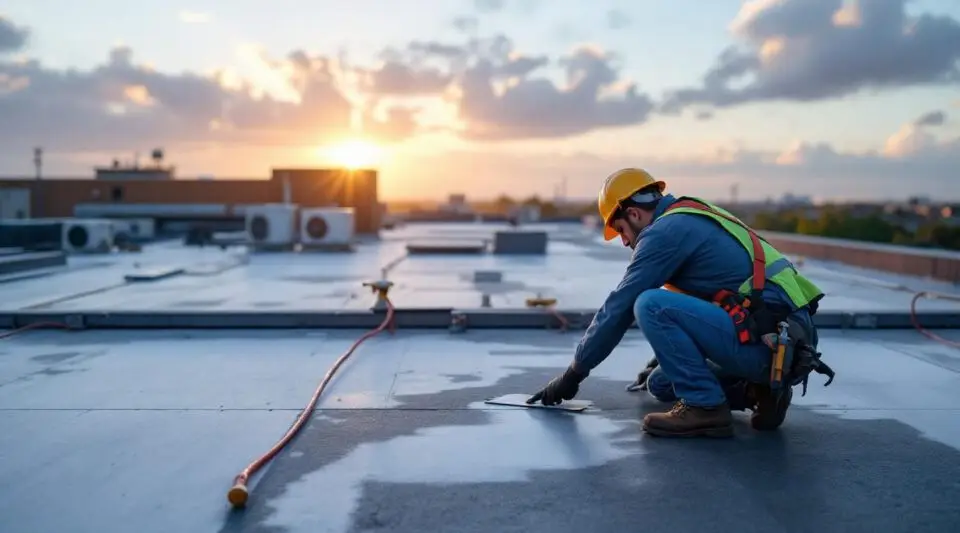
Commercial properties in Louisville face a relentless climate. From freezing winter nights to humid Ohio River valley summers, your building's roof deck expands and contracts constantly. If you manage a facility in the Highlands or an industrial warehouse near the airport, a minor seam failure can quickly turn into a major operational disruption. At Witten Roofing, we do not believe in temporary quick-fixes that fail during the next heavy downpour. We focus on installing and maintaining high-durability systems like TPO membrane and EPDM roofing that are engineered to withstand Kentucky's severe weather cycles.
Every low-slope roofing project requires a deep understanding of water management. Without a properly designed tapered insulation system, ponding water will eventually degrade even the toughest single-ply membrane. Our experienced technicians evaluate your entire system, from the parapet wall flashing to each drain scupper, ensuring water actually leaves your roof instead of pooling over critical structural joints. We also handle the entire Louisville Metro building permit process, keeping your project fully compliant with local codes so you avoid unnecessary liabilities.
We understand that a commercial roofing project can feel like a massive headache for business owners and tenants. That is why we plan our work to minimize disruption to your daily operations. Whether your property needs a full modified bitumen re-roofing, a durable roof coating to extend the life of an existing system, or precise roof penetration flashing repairs around HVAC units, we provide clear, upfront communication. You will receive a detailed scope of work with no hidden surprises, allowing you to make an informed decision for your bottom line.
Our licensed operators handle commercial roofing with upfront pricing, fully insured equipment, and 24/7 availability throughout Louisville, KY.
Commercial Roofing Louisville, KY
Protect Your Bottom Line with Engineered Low-Slope Roofing Systems
Managing a commercial property in the Ohio River Valley means dealing with intense humidity, sudden spring hail, and freezing winter cycles. A failing roof isn't just a structural issue; it's a direct threat to your inventory, your tenants, and your daily operations. When you partner with us, you get a system engineered specifically for low-slope roofing challenges. We don't just roll out a single-ply membrane and call it a day. Our team designs complete systems that incorporate tapered insulation to eliminate ponding water and direct rain straight to your drain scupper.
Choosing the right material—whether a highly reflective TPO membrane to cut summer cooling costs or a durable EPDM roofing system for long-term puncture resistance—makes all the difference. Our experienced technicians evaluate your existing roof deck and parapet wall structures to ensure every weld and roof penetration flashing is perfectly sealed. This meticulous approach prevents the slow, hidden leaks that quietly rot decking and disrupt businesses. By addressing drainage and insulation up front, we help you avoid premature failures and keep your building dry through Kentucky's unpredictable seasons.
-
Lower Energy Bills — Reflective white TPO membrane sheets bounce harsh summer heat away from your building, reducing HVAC strain.
-
Zero Ponding Water — Custom-engineered tapered insulation systems actively guide heavy rain directly to your drain scuppers.
-
Long-Term Durability — Tough EPDM roofing and modified bitumen systems resist punctures from hail and withstand extreme freeze-thaw cycles.
-
Business Continuity — We schedule our commercial roof work to minimize noise and disruptions, keeping your tenants happy and doors open.
-
Reduced Liability — Proper parapet wall flashing and sealed penetrations stop slow leaks before they damage inventory or equipment.
Commercial Roofing Louisville, KY
Why Building Owners in Louisville Trust Witten Roofing for Commercial Roofing
Choosing a commercial roofing contractor shouldn't feel like a gamble. At Witten Roofing, we distinguish ourselves from national chains and fly-by-night operations by offering deep local expertise right here in Louisville. Our team understands how the Ohio River valley's high humidity and intense freeze-thaw cycles stress low-slope roofing systems. We don't believe in quick-fix patches that ignore underlying drainage issues; instead, we focus on long-term structural integrity.
We bring specialized credentials to every job site. Our experienced technicians hold active licenses with the Kentucky Department of Housing Buildings and Construction and maintain strict compliance with Louisville Metro building permit regulations. Whether we are installing a reflective TPO membrane, sealing EPDM rubber, or laying down modified bitumen, our crews work with precision. We also maintain strict safety standards, with key personnel holding OSHA certifications to protect both our workers and your property.
Unlike national franchises that dispatch subcontracted crews, Witten Roofing provides direct, transparent communication from start to finish. We stand behind our work with robust manufacturer warranties and our own workmanship guarantees. When you partner with us, you get a dedicated local team that is always reachable, ensuring your business operations continue with minimal disruption.
LOCALLY OWNED & OPERATED
Dispatchers and drivers who know your community.
GPS-TRACKED FLEET
Real-time ETAs and the closest available truck.
LICENSED PROFESSIONALS
Fully insured operators trained for safe recovery.
UPFRONT PRICING: Clear quotes before our truck rolls
no surprise fees.
Commercial Roofing Louisville, KY
Commercial Roofing Questions Answered
Commercial Roofing Louisville, KY
The High Cost of Ignoring Your Low-Slope Roofing
A flat roof isn't just a cover; it's a complex drainage system. In Louisville, our weather swings from humid summer heat to freezing winter slush, putting immense stress on single-ply membrane seams and parapet wall flashings. When water pools around a clogged drain scupper, it doesn't just sit there. It slowly finds the smallest micro-tear in your TPO membrane or EPDM roofing. Before you even notice a ceiling stain in your warehouse or retail space, that moisture has already saturated the tapered insulation underneath, rotting your roof deck and creating a massive liability.
Ignoring these early warning signs always costs more. If you catch a failing seam early, a simple repair or a strategic roof coating can easily add a decade of life to your system. But if you wait until active leaks damage tenant inventory or disrupt your daily business operations, you face a full tear-off. In Kentucky, code regulations limit how many legacy roof layers you can have, meaning a neglected roof often requires expensive disposal fees. Working with experienced technicians who understand local building codes ensures you avoid these hidden, ballooning costs.
Your roof is a major capital asset that requires active management, not just reactive patches. Setting up a preventive maintenance agreement keeps minor issues like failing roof penetration flashing or minor membrane blisters from turning into structural emergencies. We focus on keeping your low-slope roofing watertight so you can focus on running your business. This proactive approach prevents the panic of emergency repairs when heavy spring rain or sudden hail storms roll through the Ohio River valley, saving you thousands in premature replacement costs.
Our Services

Emergency Roof Repair
When a severe thunderstorm or high-wind event sweeps through the Louisville Metro area, your home's primary defense can compromise in an instant.
View Service
Leaking Roof Repair
When water starts dripping through your ceiling plaster during an Ohio Valley spring storm, panic sets in.
View Service
New Roof Installation
A home in Louisville faces everything from heavy spring hail to freezing winter ice dams.
View Service
Residential roofing
Your home is your single largest investment, and in Louisville, that investment faces some of the most demanding weather in the Ohio Valley.
View Service
Roof Inspection
Louisville sits right in a volatile weather corridor, seeing everything from sudden spring hail storms to brutal winter freeze-thaw cycles.
View Service

Roof Replacement
If your Louisville home is showing signs of advanced wear—like heavy shingle granule loss, curling edges, or recurring leaks after spring storms—a spot repair might no longer cut it.
View Service
Storm Damage Repair
Severe storms in the Ohio River valley don't just pass through; they leave a quiet trail of destruction on your roof that can go unnoticed until water is dripping through your ceiling.
View ServiceProtect Your Louisville Facility with Commercial Roofing Built to Last
A failing low-slope roof doesn't just threaten your building's structure; it threatens your entire operation. Whether you are dealing with chronic ponding water on an aging TPO membrane or need a reliable team to inspect your parapet walls and drain scuppers, we can help. Our experienced technicians bring decades of hands-on commercial experience to every Louisville job site, ensuring your business stays dry and fully compliant with local building codes.
Do not wait for the next heavy Ohio River valley storm to expose a weak seam or compromised flashing. Let's discuss a tailored plan—whether that means a targeted leak repair, a protective roof coating, or a long-term preventive maintenance agreement to extend your roof's lifespan. Get in touch with Witten Roofing today for an honest, transparent assessment of your commercial property.
What They Say About Us:
After a severe storm damaged our property near St. Matthews, this team handled the entire commercial roof replacement and even helped us navigate the complex insurance claim process. The crew worked incredibly hard to keep the site clean, and our new roof has already easily withstood several heavy Kentucky downpours.
Martha W.
Commercial Roof Replacement After Severe Louisville Hail StormWe were dealing with major pooling issues on our flat roof near the Highlands, but this professional team arrived promptly and resolved the drainage problem completely. Our commercial roof has been in perfect condition ever since, and their prompt service saved us from future water damage.
Sally S.
Professional Commercial Roof Drainage Repair in LouisvilleThey performed a complete roof tear-off for our rental property over in the Clifton neighborhood, keeping our tenants happy by finishing the project exactly on schedule. The craftsmanship on the new roof is outstanding, and they will definitely be our first call for any future roofing needs in Louisville.
Ma G.
Complete Commercial Roof Tear-Off and InstallationWhen we noticed a leak in our building near Downtown Louisville, their technicians did a thorough inspection, quickly located the issue, and repaired it on the spot. They explained how to prevent future leaks and left the entire work area spotless, proving themselves to be highly reliable professionals.
Alfredo M.
Prompt Commercial Roof Leak Detection and RepairFollowing a severe storm near Churchill Downs, this outstanding company was the very first to respond and arrived the same day to address our leaking roof. Their communication was excellent throughout the quick repair process, making them a highly trustworthy choice for local businesses.
Shirley W.
Emergency Commercial Roof Repair After Storm Damage