
Flat Roof Installation Louisville, KY
Engineered Low-Slope Roofing Systems Built to Endure Kentucky Weather
Managing a commercial property along the Ohio River Valley means dealing with intense humidity, sudden freeze-thaw cycles, and heavy seasonal downpours. When you are responsible for a low-slope system, standard residential approaches simply will not cut it. At Witten Roofing, we specialize in high-performance flat roof installation designed specifically to protect commercial properties in Louisville. Whether you are overseeing a sprawling warehouse near the airport or a retail strip in St. Matthews, your building requires a roof assembly that manages water shedding actively rather than relying on gravity alone.
A successful flat roof installation relies entirely on precision engineering and material selection. We do not believe in one-size-fits-all specs. Our crew works with durable single-ply options like TPO membrane and EPDM roofing, as well as heavy-duty multi-layer systems like modified bitumen and traditional built-up roofing. We pay meticulous attention to the underlying system design, ensuring that tapered insulation is configured correctly to establish a reliable roof deck slope. This proactive design prevents the dreaded ponding water that can quickly degrade membrane seams and void your commercial roof warranty.
The real test of any low-slope system lies in the details. Our experienced technicians focus heavily on critical transition zones, executing flawless seam welding and wrapping parapet wall flashing with surgical precision. We also analyze your roof drain placement to ensure heavy rains exit the structure immediately without putting unnecessary stress on the load-bearing deck. By incorporating a high-quality vapor barrier and reflective roofing materials, we help lower your summer cooling costs while keeping moisture from condensing inside your ceiling assembly during our damp Kentucky winters.
Our licensed operators handle flat roof installation with upfront pricing, fully insured equipment, and 24/7 availability throughout Louisville, KY.
Flat Roof Installation Louisville, KY
Engineered for Long-Term Durability and Energy Savings
Installing a high-performance low-slope system on your facility does far more than keep the rain out. When our crew designs a custom layout with tapered insulation, we actively correct the roof deck slope to eliminate ponding water. This simple engineering step prevents premature membrane degradation and protects your long-term investment. By selecting the right material—whether a highly reflective TPO membrane or a durable EPDM roofing system—you directly lower your building's cooling costs during hot Kentucky summers.
We focus on precision during every phase of the installation. Our crew uses hot-air seam welding to fuse single-ply sheets together, creating a monolithic barrier that resists wind uplift and heavy storms. For older commercial buildings in Louisville, we always evaluate whether a code-compliant recover is possible over your existing built-up roofing or modified bitumen. This can save you thousands in tear-off and disposal fees while still securing a robust commercial roof warranty.
Proper vapor barrier placement and strategic roof drain placement are critical in the humid Ohio River Valley. We do not believe in guesswork or cutting corners on parapet wall flashing. Our team designs systems that handle seasonal freeze-thaw cycles and heavy spring rains without breaking a sweat, ensuring your tenants stay dry and your business operations run uninterrupted.
-
Lower Energy Bills — Reflective roofing sheets bounce solar heat away from your building, reducing HVAC strain.
-
No Ponding Water — Custom tapered insulation boards guide rainwater directly to your drains and scuppers.
-
Leak-Free Seams — Hot-air seam welding fuses single-ply membranes together to form a single, continuous waterproof barrier.
-
Code Compliance — We handle all Louisville Metro building permits and ensure your system meets local R-value requirements.
-
Warranty Protection — Our certified installations qualify your property for long-term manufacturer NDL warranties.
Flat Roof Installation Louisville, KY
Why Commercial Property Owners in Louisville Trust Witten Roofing for Flat Roof Installation
Commercial flat roofing is not a job for general handymen or out-of-state storm chasers who disappear when the first winter freeze hits. At Witten Roofing, we are a locally owned contractor deeply rooted in the Ohio River valley. We understand how Louisville's extreme summer heat and winter freeze-thaw cycles stress TPO membrane and EPDM systems. Our in-house experienced technicians manage every project from the initial core cuts to the final inspection. We pull all necessary Louisville Metro building permits and ensure your low-slope system complies with local energy codes.
We differ from national chains by providing a single point of contact and transparent, detailed scopes. You will not find vague estimates here; we specify exact membrane mil thicknesses, insulation R-values, and flashing details. As active NRCA members with manufacturer certifications, Witten Roofing is authorized to offer manufacturer-backed NDL warranties. We handle complex HVAC curb flashing, scupper installations, and vapor barrier layouts ourselves rather than subcontracting critical details to unverified crews. This hands-on control ensures your commercial roof warranty remains fully intact.
LOCALLY OWNED & OPERATED
Dispatchers and drivers who know your community.
GPS-TRACKED FLEET
Real-time ETAs and the closest available truck.
LICENSED PROFESSIONALS
Fully insured operators trained for safe recovery.
UPFRONT PRICING: Clear quotes before our truck rolls
no surprise fees.
Flat Roof Installation Louisville, KY
Commercial Flat Roof Installation FAQs
Flat Roof Installation Louisville, KY
Why Proper Commercial Flat Roof Installation Matters
A flat roof is not actually flat; it is a carefully engineered low-slope system designed to shed water toward strategic exit points. When an installation is rushed or poorly planned, minor errors in the roof deck slope lead to standing water that refuses to evaporate. Over time, this ponding water breaks down even the most durable materials, eating away at your seams and eventually finding a path into your inventory, offices, or structural framing. For commercial properties in Louisville, where winter freeze-thaw cycles expand trapped moisture and summer heat bakes the roof deck, these small pooling areas quickly turn into major structural liabilities.
Beyond water shedding, your roof is the primary thermal barrier for your building. Skipping a vapor barrier or miscalculating the layout of your tapered insulation board does not just invite leaks—it sends your heating and cooling bills skyrocketing. Louisville's humid Ohio River valley climate demands a smart assembly design to prevent condensation from rotting your deck from the inside out. Whether you choose a highly reflective TPO membrane to bounce away summer heat or a heavy-duty modified bitumen system for high-traffic areas, the installation quality dictates your daily operating costs.
The real test of a commercial roof lies in the details that are invisible from the ground. Flashing around HVAC curbs, parapet wall flashing, and precise roof drain placement require meticulous hands-on execution. A single cold weld during seam welding can compromise an entire single-ply system, voiding your manufacturer commercial roof warranty before the first storm even hits. Investing in a precise, code-compliant installation protects your capital asset and ensures your business operations continue uninterrupted, no matter what the Kentucky weather throws your way.
Our Services

Asphalt Shingle Roofing
Commercial properties in the Ohio Valley face a brutal mix of weather, from heavy spring hail to humid summer heat and winter ice.
View Service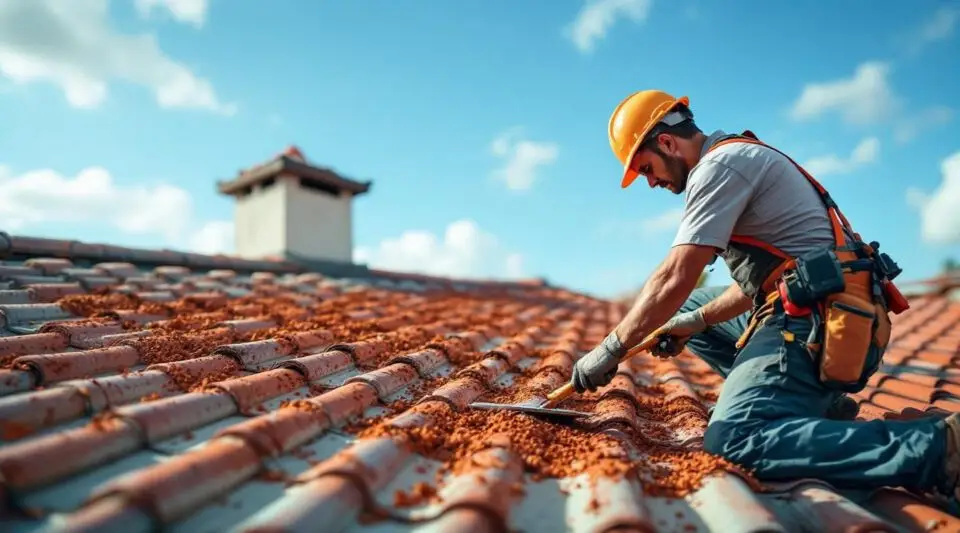
Clay Tile Roofing
Looking at the historic skyline of the region, the distinctive warmth of a terra cotta tile roof stands out immediately.
View Service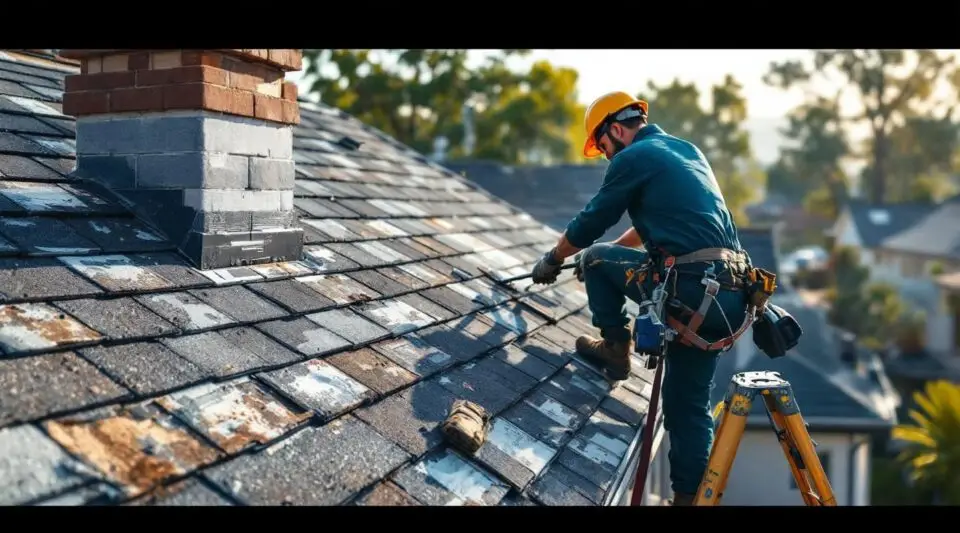
Composition Shingle Roofing
Managing a commercial property means balancing long-term durability against strict capital-expenditure budgets.
View Service
EPDM Roofing
Managing a commercial property means keeping weather out and operations running.
View Service
Flat Roof Repair
When water finds a way through your commercial roof, it doesn't just damage the ceiling—it threatens your inventory, disrupts your tenants, and stalls your daily business operations.
View Service
Metal Roofing Systems
When you manage a commercial property in the Ohio Valley, your roof faces a brutal mix of humid summer heat, sudden spring hail, and winter freeze-thaw cycles.
View Service
Roof Coating
Commercial flat roofs on warehouses and industrial facilities across the region face a brutal cycle of weather.
View Service
Slate Roofing
Commercial slate roofing in Louisville is an art form that demands deep respect for historic architecture and structural engineering.
View Service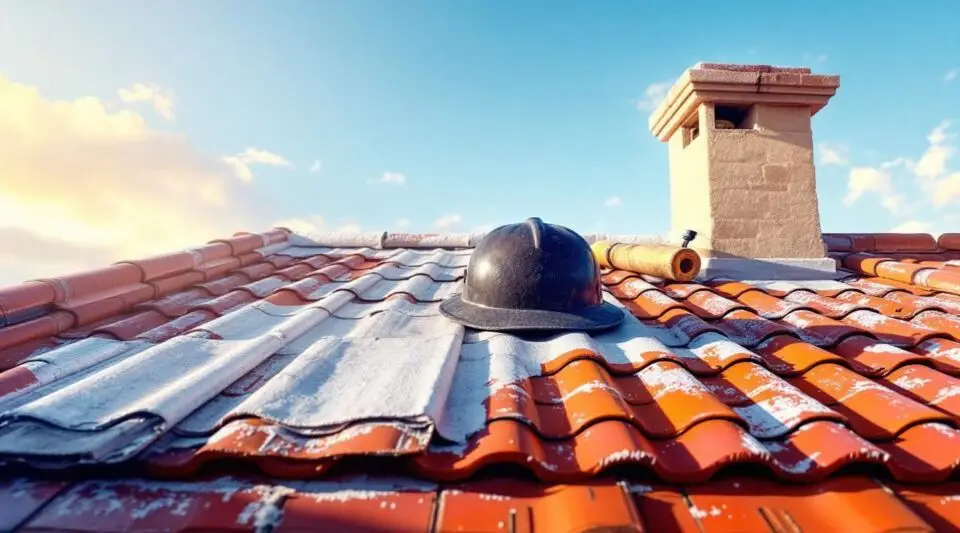
Spanish Tile Roofing
Choosing a roof for a commercial property isn't just about keeping the rain out; it is about protecting a major capital asset while maintaining architectural character.
View Service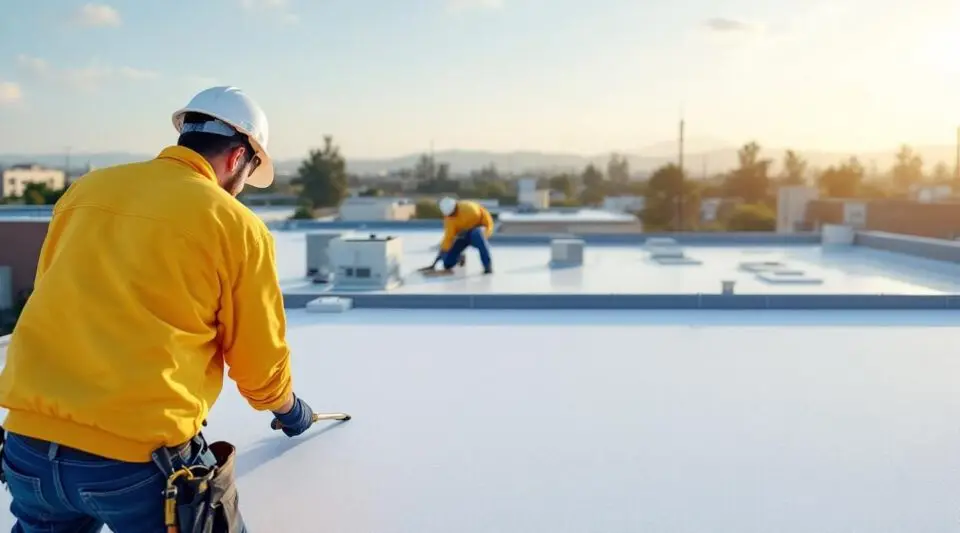
TPO Roofing
Managing a low-slope commercial roof in the Ohio River Valley means preparing for brutal summer heat indexes that top 100°F and winter freeze-thaw cycles that punish weak seams.
View ServiceProtect Your Facility with a Engineered Low-Slope Roof
Your commercial facility represents a major capital investment, and a failing low-slope system shouldn't threaten your daily operations. Whether you need a highly reflective TPO membrane to lower summer cooling costs or a rugged EPDM rubber system to handle Kentucky's brutal freeze-thaw cycles, we design assemblies that drain properly and protect your tenants. We focus on proper roof deck slope and precise seam welding so your building stays dry year-round.
Don't let ponding water or failing flashing detail compromise your manufacturer warranty. Contact our team today to schedule an independent, transparent assessment of your facility's flat roof installation needs in Louisville.
What They Say About Us:
The team thoroughly inspected our roof here in the Highlands, quickly locating and resolving the leak. They were incredibly professional, cleaned up the entire workspace, and gave us great advice on maintaining our roof.
Alfredo
Expert Leak Repair and Flat Roof Inspection in HighlandsThey replaced the entire roof on our rental home near Germantown, completing the job right on schedule to the delight of our tenants. The new flat roof looks fantastic and is incredibly well-built, so we will definitely use them again.
Ma
Complete Flat Roof Installation for Our Louisville Rental PropertyAfter a bad hailstorm damaged our St. Matthews home, they guided us through the insurance process and installed a beautiful new roof. The crew worked tirelessly, kept the property spotless, and the roof has already easily weathered several heavy storms.
Martha
Reliable Flat Roof Installation After Severe Hail Storm DamageWhen our roof started leaking after a major storm near Clifton, this team responded the very same day to assess and fix the damage. Their communication was outstanding throughout the process, proving they are a business you can truly trust.
Shirley
Fast Emergency Repair and Flat Roof Installation SupportWe were having major ponding issues on our flat roof in Crescent Hill, but this team came out promptly and resolved the drainage problem. Their technicians were highly professional, and our roof has been performing flawlessly ever since.
Sally
Resolving Drainage Issues with Professional Flat Roof Installation