

Slate Roofing Louisville, KY
Preserving Architectural Integrity with Natural Slate Tile
Commercial slate roofing in Louisville is an art form that demands deep respect for historic architecture and structural engineering. Whether you manage an institutional property in Old Louisville or a historic estate near the Cherokee Triangle, your roof is a massive asset that requires specialized care. Natural slate tile offers an unmatched slate roof lifespan, but it requires a team that understands the physical differences between hard slate vs soft slate. We do not guess on these projects; we evaluate the slate gauge thickness and structural load capacity before a single tile is touched.
Many facility managers worry that their building's framing cannot handle the immense weight of a natural slate system. To address this, our crew works alongside structural engineers to verify load limits before recommending a full installation or a targeted restoration. We use traditional techniques, including hand-nailing tiles with slate hook fasteners to ensure they remain secure through the Ohio Valley's harsh freeze-thaw cycles. When individual tiles slip or crack, we use specialized tools like a slate ripper tool to replace damaged pieces without disturbing the surrounding field.
Sourcing salvaged slate is another major hurdle for historic properties, as a mismatched patch ruins the curb appeal and can violate local preservation guidelines. We maintain an inventory of reclaimed materials to ensure seamless matching for repairs. From installing custom copper flashing around complex parapets to laying graduated exposure patterns, we treat every commercial roof as a long-term investment. We also apply point-up mortar to ridge cap slate and hip and valley slate sections, sealing the most vulnerable areas of your roof against driving rain and heavy snow.
Our licensed operators handle slate roofing with upfront pricing, fully insured equipment, and 24/7 availability throughout Louisville, KY.
Slate Roofing Louisville, KY
Why Natural Slate is the Ultimate Multi-Generational Asset for Your Property
When you invest in a natural slate tile system for a commercial property, you bypass the typical twenty-year replacement cycle of synthetic materials. Real stone stands as a multi-generational shield. In our region, the stark transition from humid summers to winter freeze-thaw cycles easily degrades lesser materials, but high-grade hard slate resists moisture absorption and subsequent splitting. By choosing a material with an established slate roof lifespan of over a century, your upfront capital expenditure translates into decades of predictable, low-maintenance overhead.
The true performance of these roofs relies on matching the stone's durability with equally robust metals. We install heavy-gauge copper flashing and custom-fabricated hip and valley slate details to ensure no weak points exist in the system. For many historic properties in Louisville, preserving architectural integrity while meeting modern Kentucky Building Code requirements is a delicate balance. Our crew uses traditional hand-nailing techniques and precise slate gauge thickness assessments to ensure your building's structural load capacity is respected while delivering an impenetrable barrier against wind and rain.
Beyond sheer durability, natural stone offers exceptional thermal properties. When combined with a high-performance breathable underlayment, a slate roof helps regulate interior temperatures during hot Ohio Valley summers, reducing the strain on your commercial HVAC systems. It is a natural, non-combustible defense that protects both your physical assets and your long-term operational budget.
-
Unmatched Lifespan — High-grade natural slate tile routinely lasts over a century, outlasting multiple generations of alternative commercial roofing systems.
-
Freeze-Thaw Resilience — Selecting hard slate over soft slate prevents moisture absorption, stopping winter cracks before they can compromise your decking.
-
Copper Flashing Integration — We pair natural stone with heavy-gauge copper flashing to guarantee the metal components match the long lifespan of the slate.
-
Historic Code Compliance — Our team matches salvaged slate and uses graduated exposure layouts to satisfy strict local preservation guidelines.
-
Thermal Efficiency — Natural slate combined with a breathable underlayment minimizes heat transfer, lowering cooling costs during humid Kentucky summers.
Slate Roofing Louisville, KY
Why Commercial Property Owners in Louisville Trust Witten Roofing for Slate Roofing
Preserving or installing a natural slate roof requires specialized craftsmanship that general commercial contractors simply cannot provide. At Witten Roofing, we treat slate as a lifetime asset rather than a temporary cover. Our crews are trained in the specific geometry of graduated exposure and the delicate handling of natural slate tile, ensuring we never crack irreplaceable historic materials. Unlike national chains that rely on rotating subcontractors, our local team brings decades of hands-on experience to every project, utilizing specialized slate ripper tools and traditional hand-nailing techniques to secure each piece properly.
We understand the unique architectural demands of commercial properties in Louisville, especially those in historic preservation districts. Witten Roofing pairs natural slate with high-grade copper flashing and breathable underlayment to match the incredible slate roof lifespan. Whether we are matching salvaged slate for a minor repair or executing a full replacement with precise ridge cap slate, we back our commercial work with clear, written workmanship warranties. We do not cut corners with cheap point-up mortar or mismatched slate gauge thickness; we build systems designed to endure the Ohio Valley’s harsh freeze-thaw cycles for generations.
LOCALLY OWNED & OPERATED
Dispatchers and drivers who know your community.
GPS-TRACKED FLEET
Real-time ETAs and the closest available truck.
LICENSED PROFESSIONALS
Fully insured operators trained for safe recovery.
UPFRONT PRICING: Clear quotes before our truck rolls
no surprise fees.
Slate Roofing Louisville, KY
Commercial Slate Roofing FAQs
Slate Roofing Louisville, KY
Commercial Slate Roof Preservation & Installation
Commercial properties in the Ohio Valley face demanding weather conditions. Louisville's intense freeze-thaw cycles from late autumn through spring can easily destroy sub-par roofing. If you manage a historic property in Old Louisville or a modern corporate office, choosing the wrong materials or an inexperienced crew leads to premature cracking, slipped tiles, and active leaks. Natural slate tile offers an unmatched slate roof lifespan, but only when installed with precision. A single misstep with a slate ripper tool or using cheap fasteners instead of heavy-duty slate hook fasteners can cause individual pieces of slate to slide off, exposing your building's structural decking to heavy rain.
Understanding the difference between hard slate vs soft slate is critical when planning your capital expenditure. Hard slate varieties, often sourced from reputable Vermont quarries, resist moisture absorption and can easily last over a century, while softer alternatives degrade rapidly under local humidity and frost. Furthermore, a slate roof is only as durable as its weakest component. Pairing natural stone with cheap galvanized metal is a recipe for disaster. We recommend pairing your installation with heavy-gauge copper flashing and custom-fabricated hip and valley slate to match the stone's longevity. Our experienced technicians carefully calculate the correct slate gauge thickness and execute a graduated exposure layout to ensure water sheds flawlessly off your roof.
Beyond water shedding, historic preservation guidelines in areas like Cherokee Triangle require exact architectural matching. Sourcing salvaged slate to repair older structures prevents mismatched, unsightly patchwork that can draw fines from local preservation boards. During restoration, we inspect the structural load capacity, replace failing underlayment with a modern breathable underlayment, and secure the ridge cap slate with fresh point-up mortar. Cutting corners on these details results in structural sagging or interior water damage that disrupts your tenants and threatens your bottom line. Protecting your investment requires a team that respects the historic weight and structural demands of natural stone.
Our Services
Asphalt Shingle Roofing
Commercial properties in the Ohio Valley face a brutal mix of weather, from heavy spring hail to humid summer heat and winter ice.
View Service
Clay Tile Roofing
Looking at the historic skyline of the region, the distinctive warmth of a terra cotta tile roof stands out immediately.
View Service
Composition Shingle Roofing
Managing a commercial property means balancing long-term durability against strict capital-expenditure budgets.
View Service
EPDM Roofing
Managing a commercial property means keeping weather out and operations running.
View Service
Flat Roof Installation
Managing a commercial property along the Ohio River Valley means dealing with intense humidity, sudden freeze-thaw cycles, and heavy seasonal downpours.
View Service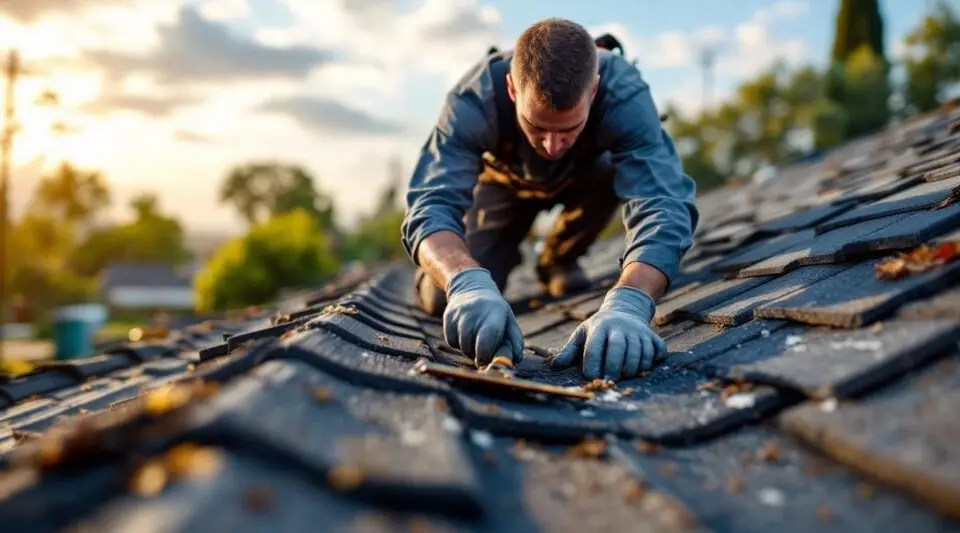
Flat Roof Repair
When water finds a way through your commercial roof, it doesn't just damage the ceiling—it threatens your inventory, disrupts your tenants, and stalls your daily business operations.
View Service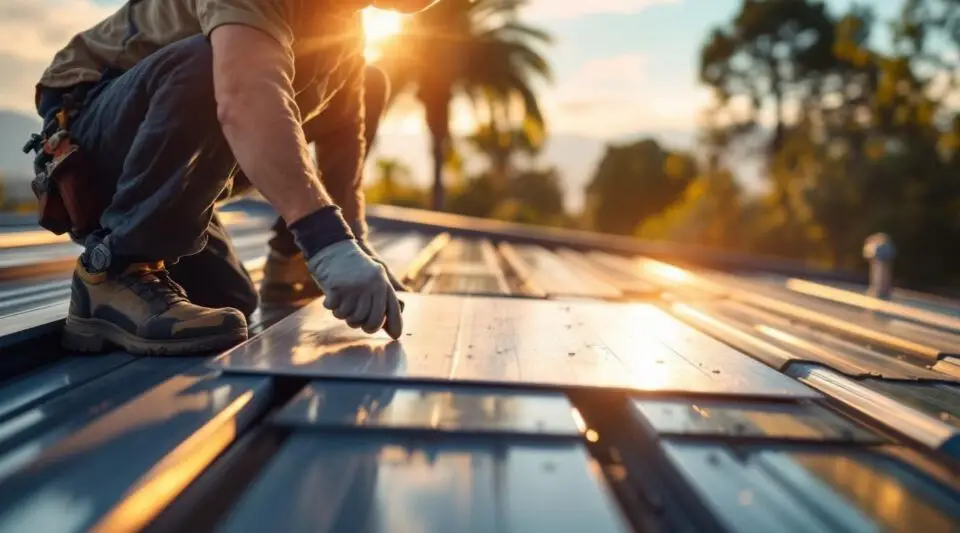
Metal Roofing Systems
When you manage a commercial property in the Ohio Valley, your roof faces a brutal mix of humid summer heat, sudden spring hail, and winter freeze-thaw cycles.
View Service
Roof Coating
Commercial flat roofs on warehouses and industrial facilities across the region face a brutal cycle of weather.
View Service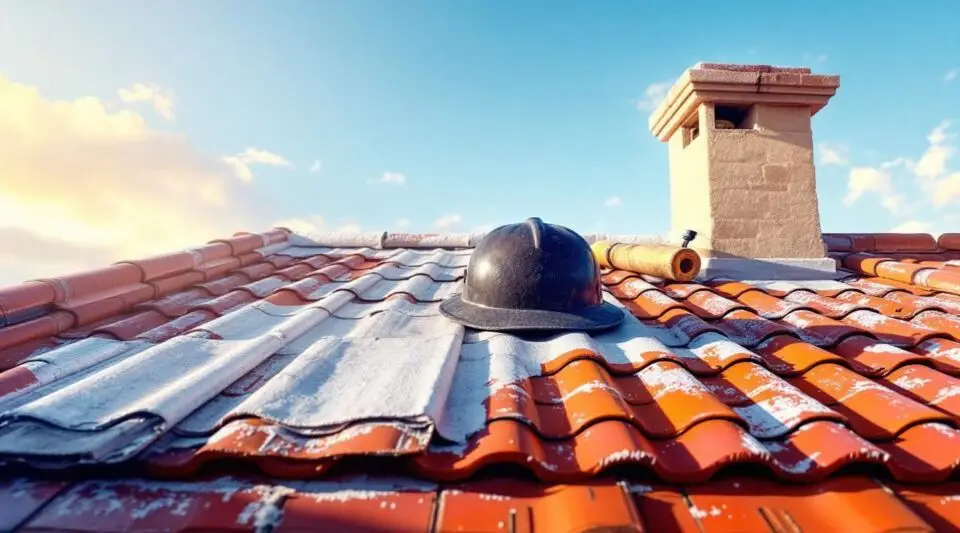
Spanish Tile Roofing
Choosing a roof for a commercial property isn't just about keeping the rain out; it is about protecting a major capital asset while maintaining architectural character.
View Service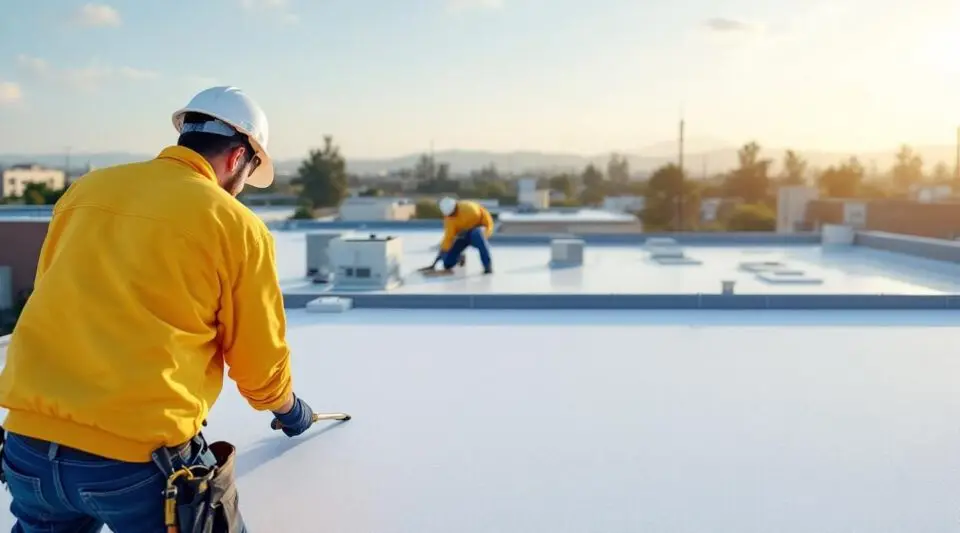
TPO Roofing
Managing a low-slope commercial roof in the Ohio River Valley means preparing for brutal summer heat indexes that top 100°F and winter freeze-thaw cycles that punish weak seams.
View ServiceSecure Your Historic Investment with Louisville’s Commercial Slate Specialists
Preserving a historic commercial roof or planning a high-end new build requires more than general contracting; it demands a deep understanding of natural slate tile and traditional craftsmanship. Whether your property needs a detailed assessment of its current slate roof lifespan, meticulous copper flashing repairs, or a complete replacement using hand-selected hard slate, our crew has the specialized tools and training to execute the job safely.
We do not rely on guesswork or quick fixes that compromise your building's structural integrity. Contact Witten Roofing today to schedule a comprehensive roof survey for your commercial properties in Louisville, and let our experienced technicians provide a clear, line-by-line plan to keep your historic asset watertight for decades to come.
What They Say About Us:
After a severe storm caused a leak in our slate roof, this team arrived the same day to assess and immediately repair the damage. Their communication throughout the process was outstanding, making them a highly trustworthy choice here in the Highlands.
Shirley
Quick Storm Damage Repair for Our Louisville Slate RoofThe crew did an amazing job replacing the entire roof on our rental home near Saint Matthews, keeping our tenants happy by finishing exactly on schedule. The new slate roof looks absolutely beautiful and is incredibly well-constructed, so we will definitely use them again.
Ma
Complete Slate Roof Replacement on Our Louisville Rental PropertyThey quickly located and repaired a minor leak in our slate roof after conducting a highly thorough inspection of our Crescent Hill home. The crew was incredibly professional, cleaned up every bit of debris, and gave us great advice on maintaining our roof's integrity.
Alfredo
Professional Slate Roof Leak Repair in Crescent HillWe contacted several companies about a drainage issue on our slate roof and are so glad we chose this professional team to resolve it. They arrived right on time, fixed the problem perfectly, and our roof near Cherokee Park has been in excellent condition ever since.
Sally
Resolving Slate Roof Drainage Issues in LouisvilleThis organized team guided us through the entire insurance claim process and installed a gorgeous new slate roof on our Clifton home after severe hail damage. The crew worked incredibly hard, kept our property spotless, and the new roof has already easily withstood several heavy storms.
Martha
Expert Slate Roof Replacement After Louisville Hail Storm