

TPO Roofing Louisville, KY
Durable, Energy-Efficient Flat Roof Protection Built to Last
Managing a low-slope commercial roof in the Ohio River Valley means preparing for brutal summer heat indexes that top 100°F and winter freeze-thaw cycles that punish weak seams. If you are responsible for a warehouse, retail strip, or office facility, you need a roofing system that handles these temperature swings without cracking. A thermoplastic polyolefin membrane, commonly known as TPO, offers the ideal balance of cost-effectiveness, durability, and solar reflectance. At Witten Roofing, we install high-performance single-ply roofing designed to keep your operating costs down and your inventory dry.
The secret to a long-lasting TPO roof lies entirely in the installation details. We do not rely on simple glues or tapes that degrade over time. Instead, our experienced technicians use specialized hot-air welders to fuse the sheets together, creating heat-welded seams that are actually stronger than the membrane itself. Whether you specify a mechanically fastened TPO system for speed and economy or a fully adhered system to maximize wind-uplift resistance, we tailor the installation method to your building’s structural design and wind exposure.
We also pay close attention to what goes beneath the reflective white membrane. A commercial roof is an entire system, starting with high-density polyisocyanurate insulation board to establish the proper R-value and slope. By upgrading your roof deck insulation during a replacement, you can significantly reduce your building's heating and cooling loads. We help you choose between 45 mil, 60 mil, or 80 mil membrane thickness, ensuring you get the puncture resistance and manufacturer warranty coverage your specific facility demands without paying for unnecessary extras.
Our licensed operators handle tpo roofing with upfront pricing, fully insured equipment, and 24/7 availability throughout Louisville, KY.
TPO Roofing Louisville, KY
Lower Operating Costs & Leak-Free Performance for Louisville Facilities
When you manage a low-slope commercial roof in the Ohio River valley, summer heat and winter freeze-thaw cycles put immense stress on your building. Installing a reflective white membrane made of thermoplastic polyolefin directly addresses these climate challenges. By reflecting up to 80% of solar radiation, this single-ply roofing system significantly lowers your cooling costs during humid July afternoons. Our crew installs high-density polyisocyanurate insulation board beneath the membrane to maximize your R-value, helping to stabilize indoor temperatures for warehouses, retail centers, and offices alike.
Beyond energy savings, the real strength of a TPO system lies in its physical security. Unlike older built-up roofs that rely on adhesives or asphalt that degrade over time, TPO features heat-welded seams. We use specialized hot-air welding equipment to fuse the sheets together, creating a monolithic barrier that is actually stronger than the membrane itself. This process virtually eliminates the seam failures that plague other flat roofs. Whether you choose a mechanically fastened TPO setup for fast installation or a fully adhered system for superior wind-uplift resistance, we tailor the design to the specific wind loads and structural needs of commercial properties in Louisville.
-
REFLECTIVE COOL ROOF — The bright white surface reflects solar heat to lower your building's summer cooling bills.
-
FUSED SEAM SECURITY — Hot-air welded seams form a continuous, leak-proof barrier that resists tearing and water penetration.
-
FLEXIBLE SPECIFICATIONS — Choose between 45 mil, 60 mil, or heavy-duty 80 mil membrane thicknesses to match your budget and building life expectancy.
-
WIND & WEATHER RESISTANCE — Engineered to withstand high wind uplift and the punishing freeze-thaw cycles typical of Kentucky winters.
-
CHEMICAL & ALGAE RESISTANCE — The thermoplastic polyolefin membrane naturally resists mold growth, chemical exposure, and common rooftop pollutants.
TPO Roofing Louisville, KY
Why Commercial Property Owners in Louisville Trust Witten Roofing for TPO Roofing
Managing a low-slope commercial roof in the Ohio River valley requires more than just rolling out a membrane; it demands precise thermal welding and structural understanding. At Witten Roofing, we bring decades of hands-on experience to every commercial project, operating as a locally owned contractor rather than a disconnected national chain. Our team is fully licensed, bonded, and insured in Kentucky, ensuring your capital investment is protected from the first site walk to the final inspection. We specialize in single-ply roofing systems, specifically tailored to withstand the intense freeze-thaw cycles and severe spring storms common to Louisville and the surrounding counties.
What truly sets Witten Roofing apart from generic break-fix operations is our commitment to manufacturer-certified installation standards. Our technicians undergo rigorous training to master hot-air welding techniques, ensuring your heat-welded seams form a monolithic, leak-proof barrier that outperforms low-bid alternatives. We do not cut corners by specifying undersized membranes; instead, we help you compare 45-mil, 60-mil, and 80-mil thermoplastic polyolefin membrane options with transparent, upfront pricing. By partnering with us, you gain a dedicated commercial project manager who coordinates around your operational schedules to prevent costly business disruptions.
LOCALLY OWNED & OPERATED
Dispatchers and drivers who know your community.
GPS-TRACKED FLEET
Real-time ETAs and the closest available truck.
LICENSED PROFESSIONALS
Fully insured operators trained for safe recovery.
UPFRONT PRICING: Clear quotes before our truck rolls
no surprise fees.
TPO Roofing Louisville, KY
Answers to Your Commercial TPO Roofing Questions
TPO Roofing Louisville, KY
Why High-Performance TPO Roofing Matters for Your Louisville Facility
When you manage a commercial facility, your roof is the only barrier standing between Kentucky's erratic weather and your inventory, machinery, or tenants. In Louisville, our summer heat index regularly climbs past 100°F, baking flat roofs under intense UV rays. A standard dark roof absorbs this heat, driving up your cooling bills and straining HVAC equipment. Installing a reflective white membrane changes that dynamic entirely. By reflecting solar radiation rather than absorbing it, this single-ply roofing system lowers roof surface temperatures dramatically, helping you maintain a stable indoor climate while lowering energy consumption.
Winter brings a different set of challenges to commercial properties in Louisville. The Ohio River valley's high humidity combined with rapid freeze-thaw cycles puts immense stress on roof seams and flashing details. If a contractor uses cheap adhesives or undersized membrane thickness, those seams will eventually pull apart under thermal expansion. That is why we emphasize heat-welded seams. By using hot-air welders to fuse the sheets of thermoplastic polyolefin membrane together, we create a monolithic barrier that is physically stronger than the membrane itself. Specifying a 60 mil or 80 mil thickness over a basic 45 mil option provides the puncture resistance needed to survive severe Kentucky hailstorms and routine foot traffic during HVAC maintenance.
Beyond the top membrane, the underlying assembly dictates how long your low-slope commercial roof actually lasts. We design systems with high-density polyisocyanurate insulation board to establish a reliable thermal barrier and ensure proper slope toward drains. Skipping a proper roof deck insulation layout leads to ponding water, which can void manufacturer warranties and accelerate membrane degradation. Whether you choose a mechanically fastened TPO system for speed or a fully adhered system to handle high wind-uplift exposure, getting the details right prevents hidden deck rot that could disrupt your daily business operations.
Our Services

Asphalt Shingle Roofing
Commercial properties in the Ohio Valley face a brutal mix of weather, from heavy spring hail to humid summer heat and winter ice.
View Service
Clay Tile Roofing
Looking at the historic skyline of the region, the distinctive warmth of a terra cotta tile roof stands out immediately.
View Service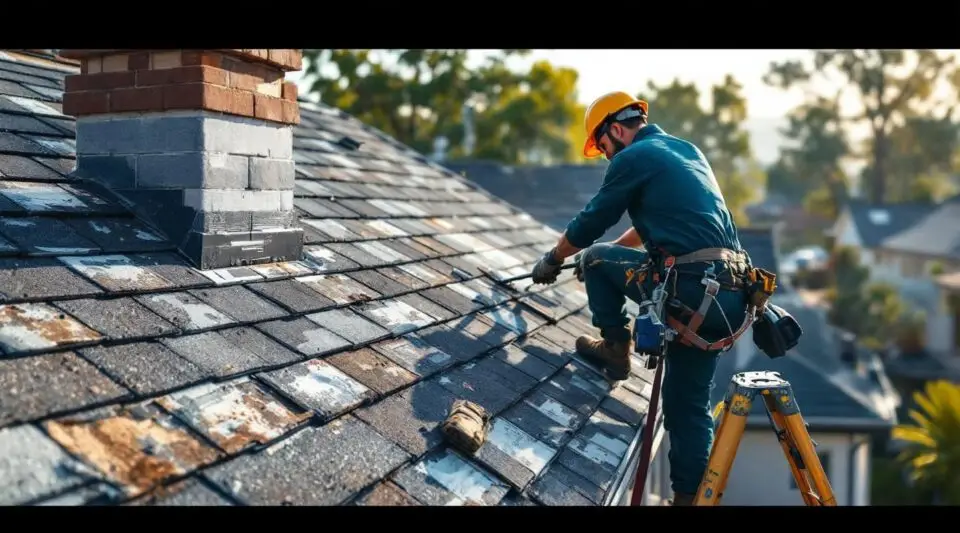
Composition Shingle Roofing
Managing a commercial property means balancing long-term durability against strict capital-expenditure budgets.
View Service
EPDM Roofing
Managing a commercial property means keeping weather out and operations running.
View Service
Flat Roof Installation
Managing a commercial property along the Ohio River Valley means dealing with intense humidity, sudden freeze-thaw cycles, and heavy seasonal downpours.
View Service
Flat Roof Repair
When water finds a way through your commercial roof, it doesn't just damage the ceiling—it threatens your inventory, disrupts your tenants, and stalls your daily business operations.
View Service
Metal Roofing Systems
When you manage a commercial property in the Ohio Valley, your roof faces a brutal mix of humid summer heat, sudden spring hail, and winter freeze-thaw cycles.
View Service
Roof Coating
Commercial flat roofs on warehouses and industrial facilities across the region face a brutal cycle of weather.
View Service
Slate Roofing
Commercial slate roofing in Louisville is an art form that demands deep respect for historic architecture and structural engineering.
View Service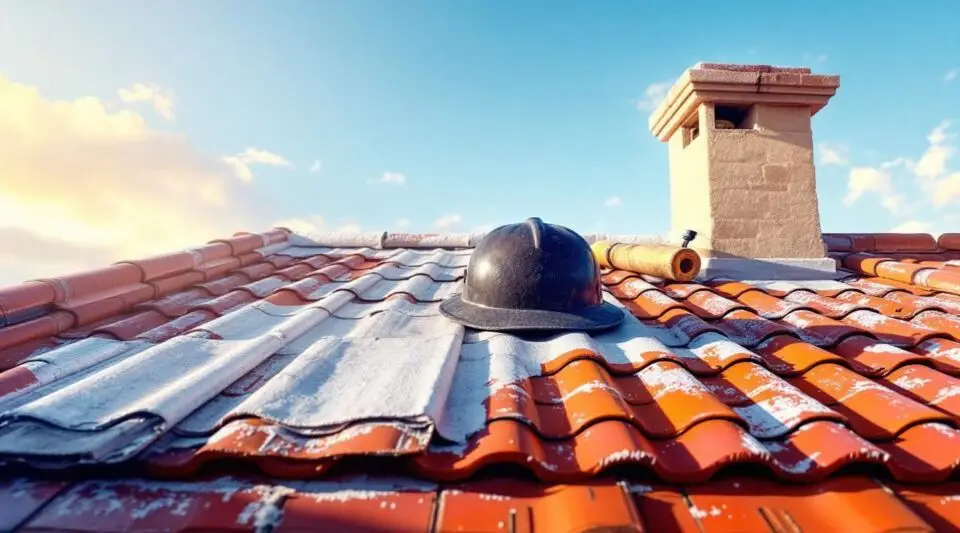
Spanish Tile Roofing
Choosing a roof for a commercial property isn't just about keeping the rain out; it is about protecting a major capital asset while maintaining architectural character.
View ServiceProtect Your Facility with a High-Performance TPO Roof
Ready to lower your energy bills and stop chasing active leaks on your low-slope commercial roof? Our experienced technicians are licensed to install durable single-ply roofing systems across the metro area. We will walk your facility, evaluate your current roof deck insulation, and help you choose the right membrane thickness—whether that is 45 mil, 60 mil, or a heavy-duty 80 mil—to withstand Louisville's intense summer heat and winter freeze-thaw cycles.
Do not wait for the next severe storm to expose weak seams or hidden deck rot. Contact Witten Roofing today to schedule a professional roof walk and receive a clear, detailed scope of work for your commercial properties in Louisville.
What They Say About Us:
The team arrived at our property near the Highlands and quickly located the source of our roof leak. They completed the repairs immediately, cleaned up the workspace, and gave us great advice on maintaining our roof.
Alfredo
Professional TPO Roofing Leak Repair in LouisvilleThey replaced the entire roof on our rental property in St. Matthews, and the crew was incredibly polite and punctual throughout the project. Our tenants are thrilled with the high-quality results, and we will definitely hire this team again for future roofing needs.
Ma
Complete TPO Roofing Replacement for Louisville RentalAfter noticing pooling water on our roof near the Clifton neighborhood, we hired this team to fix our poor drainage system. They arrived right on schedule, resolved the issue professionally, and our roof has been performing perfectly ever since.
Sally
Resolving Flat TPO Roofing Drainage IssuesFollowing a severe storm near Churchill Downs, this team guided us through the entire insurance claim process and installed a beautiful new roof. The crew worked incredibly hard, kept our property clean, and the new roof has already easily withstood several heavy rains.
Martha
Expert TPO Roofing Installation After Hail DamageWhen our roof began leaking after a major storm in Germantown, this company responded immediately and completed the repairs that very same day. Their communication was outstanding from start to finish, making them a highly trustworthy local contractor.
Shirley
Emergency TPO Roofing Repair in Louisville