EPDM Roofing Louisville, KY
Durable, Low-Slope Roofing Systems Engineered for Louisville Commercial Properties
Managing a commercial property means keeping weather out and operations running. For low-slope roofing across Jefferson County, ethylene propylene diene monomer (EPDM) remains one of the most reliable, cost-effective shields available. This synthetic rubber single-ply membrane has protected local warehouses, retail strips, and industrial facilities for decades. At Witten Roofing, we install these systems to handle the heavy rain, sudden temperature shifts, and intense summer sun typical of our region.
When selecting an EPDM system, the details of your roof deck substrate and building design dictate the best installation approach. You can choose between a fully adhered system, a mechanically fastened membrane, or a ballasted EPDM setup. A fully adhered system uses high-strength bonding adhesive to lock the rubber directly to the cover board insulation, offering exceptional wind uplift resistance. For larger, weight-bearing structures, ballasted systems use river stone or concrete pavers to hold the membrane in place, which can lower initial labor costs.
Thickness is another critical decision point for your investment. While a 45-mil membrane works well for light-duty setups, we typically recommend a membrane thickness of 60 mil for commercial properties in Louisville that house heavy HVAC equipment or require regular foot traffic. This added thickness provides superior puncture resistance and long-term UV resistance, preventing premature degradation. We pay meticulous attention to flat roof drainage patterns to ensure that ponding water does not sit indefinitely, which can stress seams over time.
The true life of any rubber roof lies in its seams. Our crews use heavy-duty seam tape and specialized EPDM splice adhesive to create a continuous, watertight seal at every overlap and parapet wall. We do not cut corners with cheap glues or rushed prep work. By ensuring proper substrate cleaning and precise adhesive application, we prevent the common edge-peeling and shrinkage issues that plague poorly installed roofs.
Our licensed operators handle epdm roofing with upfront pricing, fully insured equipment, and 24/7 availability throughout Louisville, KY.
EPDM Roofing Louisville, KY
Why Louisville Businesses Trust EPDM Rubber Membranes
Louisville's wild weather swings—from humid summer heat to freezing winter nights—put massive physical stress on commercial low-slope roofing. Installing an ethylene propylene diene monomer (EPDM) system provides a highly flexible, synthetic rubber barrier that stretches and contracts without cracking. Whether you choose a fully adhered system or a mechanically fastened membrane, this material delivers exceptional UV resistance and handles the thermal shock of Ohio Valley seasons.
Beyond durability, EPDM is highly adaptable to your specific building geometry and load limits. For older structures in industrial corridors, a lightweight single-ply membrane avoids overloading the existing roof deck substrate, often saving you from costly structural reinforcements. When our team installs a new system on commercial properties in Louisville, we lay down high-density cover board insulation first to ensure a flat, uniform surface. This step is critical for maintaining proper flat roof drainage and preventing ponding water from sitting on the membrane, protecting your manufacturer warranty and your inventory.
Finally, EPDM offers incredible long-term value because it is highly repairable. Unlike complex multi-layer roofs, a puncture or aged seam on a rubber roof can be cleaned and patched with EPDM splice adhesive and heavy-duty seam tape, extending the system's life well past its initial warranty period. We typically recommend a membrane thickness of 60 mil for commercial applications to provide extra insurance against foot traffic around rooftop HVAC units.
-
SUPERIOR UV RESISTANCE — The synthetic rubber compound naturally resists sun damage and degradation during hot Louisville summers.
-
FLEXIBLE IN FREEZING COLD — EPDM remains highly elastic down to -40°F, easily surviving Kentucky's rapid freeze-thaw cycles without cracking.
-
COST-EFFECTIVE REPAIRS — Punctures and worn seams can be quickly restored using EPDM splice adhesive and seam tape instead of requiring a full tear-off.
-
LIGHTWEIGHT DESIGN — The single-ply membrane places minimal structural load on your roof deck substrate, making it ideal for older commercial buildings.
-
PROVEN LONGEVITY — Specifying a membrane thickness of 60 mil provides decades of reliable protection against severe convective storms and light foot traffic.
EPDM Roofing Louisville, KY
Why Commercial Property Owners in Louisville Trust Witten Roofing for EPDM Roofing
When you manage a commercial facility in Jefferson County, you cannot afford to trust your low-slope roofing to a generic residential contractor or a national broker who subcontracts the work to the lowest bidder. Witten Roofing is a locally owned and operated commercial roofing specialist. We understand how Louisville's severe freeze-thaw cycles stress single-ply membrane systems. Our experienced technicians are specifically trained in handling ethylene propylene diene monomer installations, ensuring that every seam, flashing, and perimeter detail is executed to the highest standards.
We do not cut corners by using sub-par materials or mismatched adhesives. Our team works with premium membrane thicknesses like 60-mil systems, installing them over high-density cover board insulation to protect your building from punctures and ponding water. Whether your facility requires a fully adhered system for high-wind resistance or a ballasted EPDM setup, we match the exact attachment method to your structural load and budget. When you partner with Witten Roofing, you deal directly with our local project managers, not an out-of-state call center.
LOCALLY OWNED & OPERATED
Dispatchers and drivers who know your community.
GPS-TRACKED FLEET
Real-time ETAs and the closest available truck.
LICENSED PROFESSIONALS
Fully insured operators trained for safe recovery.
UPFRONT PRICING: Clear quotes before our truck rolls
no surprise fees.
EPDM Roofing Louisville, KY
Commercial EPDM Roofing Questions Answered
EPDM Roofing Louisville, KY
Why EPDM Roofing Matters for Louisville Commercial Buildings
Flat roofs on Louisville warehouses and industrial corridors face a brutal cycle of baking summer heat and winter freeze-thaw shifts. If your low-slope roofing relies on a degraded system, a single split seam can quietly let gallons of water soak into your cover board insulation before you ever spot a drip on the warehouse floor. Choosing ethylene propylene diene monomer (EPDM) provides a highly resilient barrier against these temperature swings. This synthetic rubber single-ply membrane stretches and contracts without cracking, keeping your inventory dry and your operations running.
The real value of an EPDM system lies in its long-term UV resistance and ability to handle minor ponding water when flat roof drainage isn't perfect. However, a system is only as good as its installation method. While some contractors cut corners with thin materials, specifying a membrane thickness of 60 mil over a sturdy roof deck substrate ensures your building can handle routine foot traffic around HVAC units. Whether you choose a fully adhered system sealed with high-grade seam tape and EPDM splice adhesive or a mechanically fastened membrane, the goal is to prevent wind uplift during our severe spring storms.
Investing in a commercial roof is a major capital expense, and property managers cannot afford to guess whether their system was installed correctly. Working with experienced technicians ensures that every detail, from parapet flashing to drain scuppers, is sealed to meet strict NRCA standards. This meticulous approach prevents premature shrinkage at the roof edges, keeping your manufacturer warranty fully intact and protecting your bottom line for decades.
Our Services
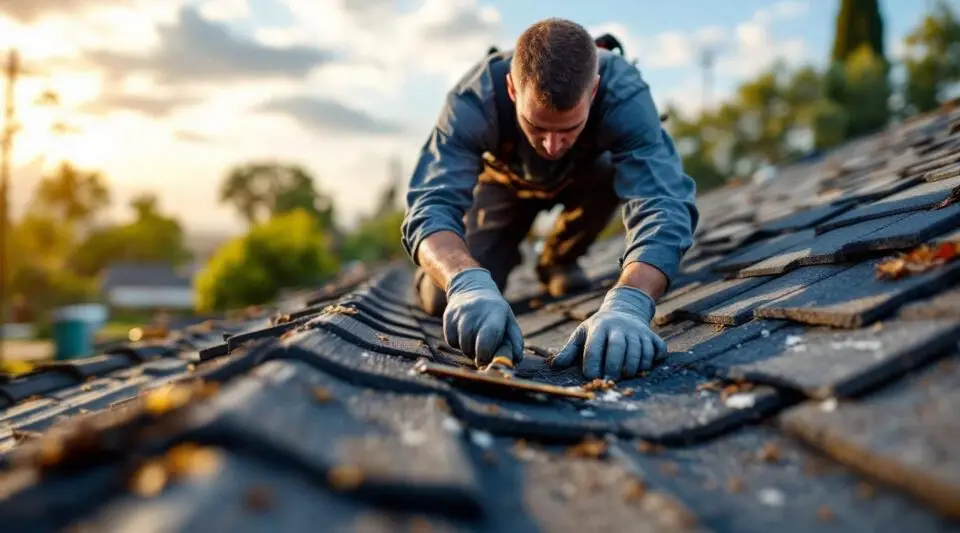
Asphalt Shingle Roofing
Commercial properties in the Ohio Valley face a brutal mix of weather, from heavy spring hail to humid summer heat and winter ice.
View Service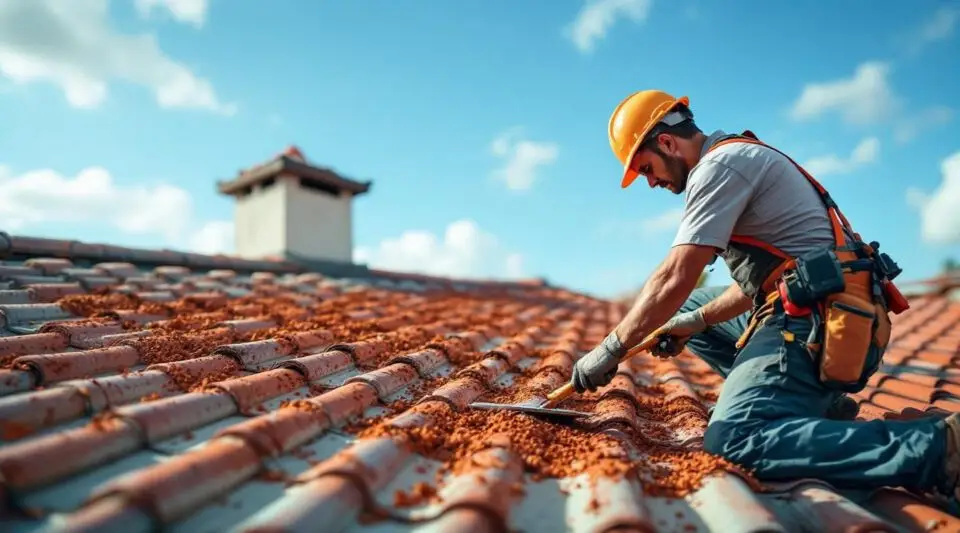
Clay Tile Roofing
Looking at the historic skyline of the region, the distinctive warmth of a terra cotta tile roof stands out immediately.
View Service
Composition Shingle Roofing
Managing a commercial property means balancing long-term durability against strict capital-expenditure budgets.
View Service
Flat Roof Installation
Managing a commercial property along the Ohio River Valley means dealing with intense humidity, sudden freeze-thaw cycles, and heavy seasonal downpours.
View Service
Flat Roof Repair
When water finds a way through your commercial roof, it doesn't just damage the ceiling—it threatens your inventory, disrupts your tenants, and stalls your daily business operations.
View Service
Metal Roofing Systems
When you manage a commercial property in the Ohio Valley, your roof faces a brutal mix of humid summer heat, sudden spring hail, and winter freeze-thaw cycles.
View Service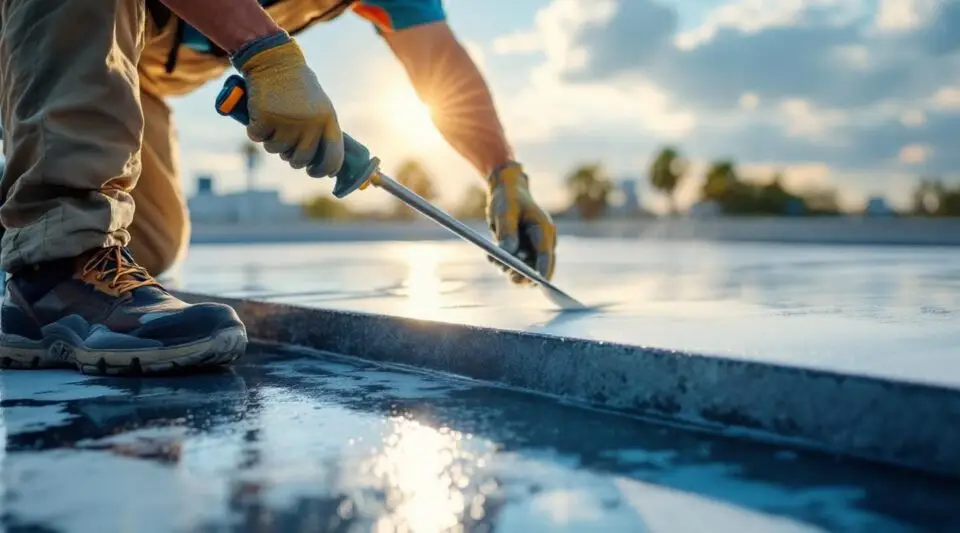
Roof Coating
Commercial flat roofs on warehouses and industrial facilities across the region face a brutal cycle of weather.
View Service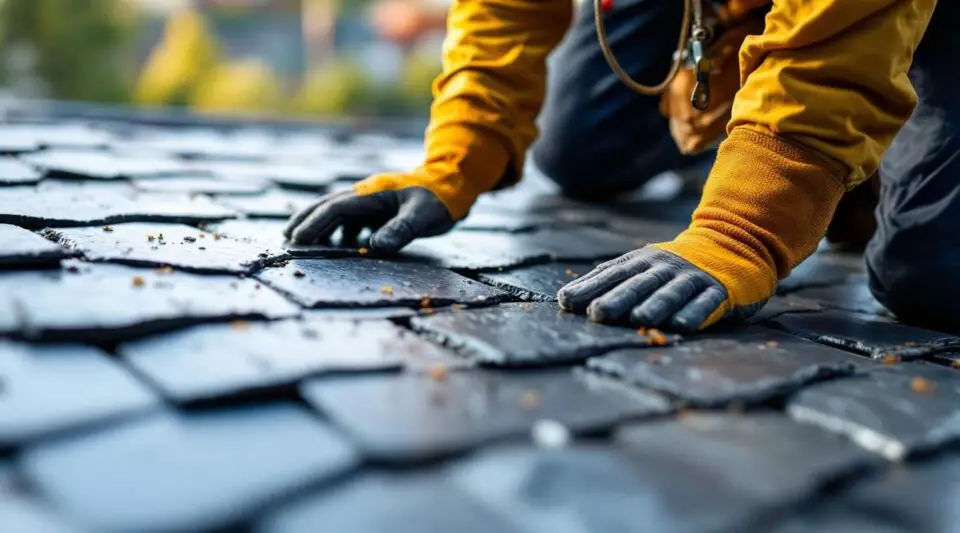
Slate Roofing
Commercial slate roofing in Louisville is an art form that demands deep respect for historic architecture and structural engineering.
View Service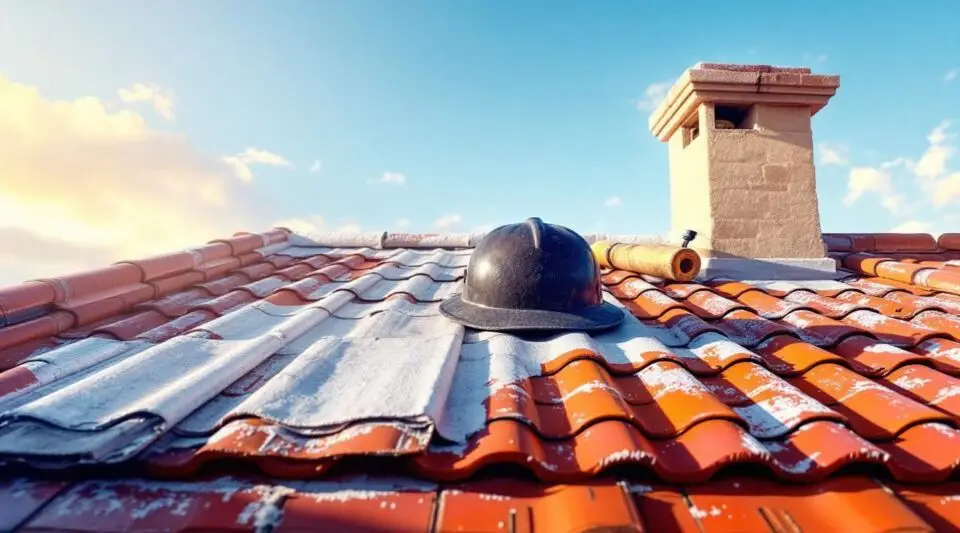
Spanish Tile Roofing
Choosing a roof for a commercial property isn't just about keeping the rain out; it is about protecting a major capital asset while maintaining architectural character.
View Service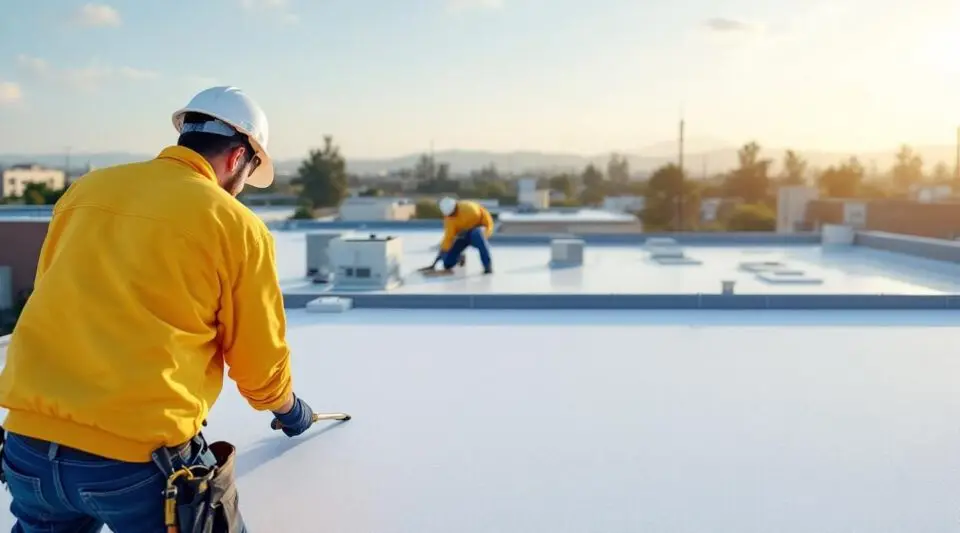
TPO Roofing
Managing a low-slope commercial roof in the Ohio River Valley means preparing for brutal summer heat indexes that top 100°F and winter freeze-thaw cycles that punish weak seams.
View ServiceProtect Your Commercial Asset with a Proven EPDM System
Your low-slope roof shouldn't be a source of constant worry every time a severe storm rolls through Jefferson County. Whether you need to address failing seam tape on an aging system or require a complete, fully adhered single-ply membrane installation, our crew brings decades of hands-on experience to your job site. We understand how local freeze-thaw cycles stress flat roof drainage systems, and we install every system to stand up to those exact regional conditions.
Let's look at your building's specific layout, walk the roof deck substrate, and discuss the right membrane thickness for your budget and traffic needs. Contact Witten Roofing today to schedule a professional assessment of your commercial roof in Louisville and secure a detailed, transparent proposal from a licensed Kentucky contractor.
What They Say About Us:
After a severe hailstorm damaged our property near Cherokee Park, this team did an amazing job installing our new EPDM roof and helping us navigate the insurance process. The crew was incredibly organized, kept the site clean, and the finished roof has already easily withstood several heavy downpours.
Martha
Professional EPDM Roofing Installation After Louisville Storm DamageWe were dealing with major standing water issues on our flat roof in St. Matthews, so we called these professionals to fix the drainage. They arrived right on time, resolved the pooling issues quickly, and our EPDM roof has been performing flawlessly ever since.
Sally
Resolving Flat Roof Drainage Issues with EPDM Roofing ExpertsWhen our roof started leaking after a major storm near the Highlands, this team responded immediately and completed the repairs the very same day. Their communication was fantastic throughout the process, proving they are a local contractor you can truly trust.
Shirley
Fast and Reliable EPDM Roofing Leak Repair in LouisvilleThe crew did an outstanding job replacing the entire flat roof on our rental home over in Germantown, finishing the project right on schedule. Our tenants were highly satisfied with their professionalism, and the new EPDM roof looks incredibly durable and well-constructed.
Mae
Complete EPDM Roofing Replacement for Our Louisville Rental PropertyWe noticed a small leak in our Clifton commercial building and appreciated how thoroughly this team inspected the EPDM roofing to locate and resolve the issue. They cleaned up perfectly after finishing the repair and even gave us great advice on how to prevent future flat roof leaks.
Alfredo
Thorough EPDM Roofing Inspection and Leak Repair Service